News
2026-03-07

Deep-dive analysis into the technology, adoption drivers, and competitive landscape of next-gen eyewear.
Data-driven hook: Current market estimates show the wearables category expanding rapidly across consumer and enterprise segments, and the lightweight smart glasses niche is attracting outsized attention because comfort drives adoption. This report synthesizes market-size signals, growth drivers, product and supply-chain trends, and practical recommendations for manufacturers, retailers, and investors to inform near-term decisions and portfolio prioritization.
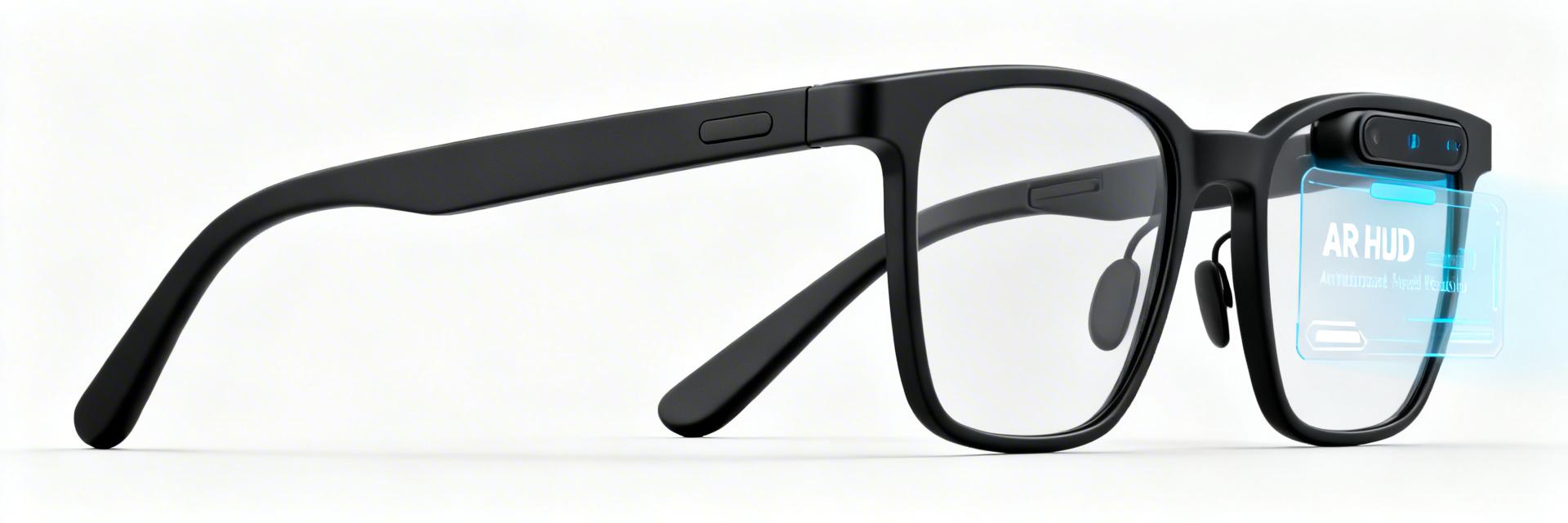
Point: Lightweight smart glasses are defined by user-centric weight thresholds and slim form factors. Evidence: Industry taxonomy typically treats devices under ~50 grams as ultra-light, with categories including audio-only frames, AR-capable frames, and hybrid designs. Explanation: This taxonomy distinguishes them from heavier AR/VR headsets (bulk optics and headbands) and from traditional smart audio glasses focused primarily on voice and music; the classification supports focused product and channel strategies in this market report.
Point: Comfort and all-day wearability are the primary user drivers. Evidence: Measurable metrics include target wear time (8+ hours), weight targets (<50 g for all-day use), and perceived thermal comfort linked to battery size. Explanation: Lightweight designs trade battery capacity and thermal headroom for sustained usability, while fashion and social acceptability improve adoption in consumer segments — a central trend guiding design and marketing choices.
| Feature | Lightweight Smart Glasses | Standard AR Headsets |
|---|---|---|
| Typical Weight | 30g - 50g | 250g - 600g |
| Continuous Use | 8+ Hours (All-day) | 1 - 3 Hours |
| Form Factor | Standard Optical Frame | Visor / Goggles |
| Social Acceptability | High (Inconspicuous) | Low (Technical Look) |
Point: The lightweight segment represents a growing subset of the broader smart eyewear market. Evidence: Aggregated analyst ranges place current market size in the low hundreds of millions USD with shipment estimates spanning several million units annually; U.S. share is material but balanced by APAC demand. Explanation: Variance across sources reflects differing scope definitions and inclusion of audio-only versus AR-capable devices; using conservative-to-aggressive ranges helps planners set realistic targets for unit economics and channel volume.
Point: Multiple technical and commercial drivers underpin projected growth. Evidence: Forecast scenarios show CAGR ranges spanning low-double-digits in conservative models up to mid-to-high double-digits in aggressive adoption cases, driven by component cost declines and on-device AI. Explanation: Scenario assumptions include improvements in battery energy density, microdisplay cost reductions, regulatory clarity on privacy, and enterprise pilot-to-deployment conversion rates; these variables determine whether uptake skews consumer or enterprise over the next decade.
"The engineering challenge isn't just weight; it's thermal management in a restricted volume. For PCB layouts, we recommend decoupling high-frequency components from the temple touchpoints to avoid 'hot-ear' syndrome. Using 0201 or 01005 passives and HDI stacking is mandatory to maintain the slim profile."
Point: Demand splits across enterprise, healthcare, sports/fitness, and general consumers. Evidence: Enterprise buyers prioritize reliability and integration (field service, logistics), healthcare values hands-free data and telepresence, sports users seek HUD clarity and low weight, while consumers emphasize style and daily comfort. Explanation: Willingness-to-pay bands vary—enterprise procurement budgets are higher with direct procurement channels, while consumers favor retail or direct-to-consumer bundles; these buying triggers shape product and pricing roadmaps.
Point: Distribution and regional patterns differ by segment. Evidence: U.S. demand favors a mix of retail discovery and B2B procurement, with APAC showing stronger volume potential; retail returns and the need for demos are common channel frictions. Explanation: Retailers must manage demo fleets and return policies, while B2B channels require integration partners and support SLAs; regional regulatory considerations and standards compliance influence go-to-market timing and certification costs.
Point: Miniaturized components are core to weight reduction. Evidence: Advances include microdisplays, low-power sensors, AI inference accelerators, and flexible battery form factors that reduce enclosure bulk. Explanation: Each improvement either reduces mass or enables smaller housings; the supply chain impact includes tighter tolerances, reliance on specialized suppliers, and the need for cross-disciplinary integration to maintain battery life and thermal performance.
Hand-drawn sketch, non-precise schematic
Point: Materials and modular design drive manufacturability and user comfort. Evidence: Lightweight frames use titanium alloys, reinforced polymers, and modular electronics to balance durability and serviceability. Explanation: Practical guidance for product teams includes target weight benchmarks by archetype, prototype testing for drop, flex and thermal cycling, and early engagement with compliance labs to streamline certification and reduce time to market.
Point: Three archetypes dominate development focus. Evidence: Ultra-light audio glasses aim for sub-50 g comfort and low price points for consumers; mixed-reality work-optimized frames emphasize hands-free workflows and enterprise integrations; sport HUD glasses prioritize ruggedness and daylight-readable displays. Explanation: For each archetype, core specs (weight, battery life, connectivity), likely price bands, and success metrics (adoption rate, retention, enterprise deployment scale) guide product prioritization.
Lightweight smart glasses improve comfort and social acceptability, enabling longer wear time (targets often exceed eight hours) while minimizing fatigue. They sacrifice some battery capacity compared with heavier headsets, so manufacturers balance on-device efficiency and fast charging to preserve daily usability.
U.S. demand mixes retail discovery with enterprise procurement; buyers expect strong demo experiences and data privacy assurances. APAC often leads in unit volume, while EU procurement emphasizes regulatory compliance; these regional patterns affect channel strategy and certification timelines.
Prioritize target weight thresholds, ergonomic fit testing, thermal management with smaller batteries, and accessible software features. Rapid prototyping with representative user groups and early compliance checks reduce iterations and improve time-to-market while preserving the core benefits of lighter designs.




{{ boxName }} ({{ dataList?.length || 0 }} Items)
{{ val.manufacturer || val.en_manufacturer || '' }}
auto.lang_Quantity: {{ val.quantity }}
auto.lang_null